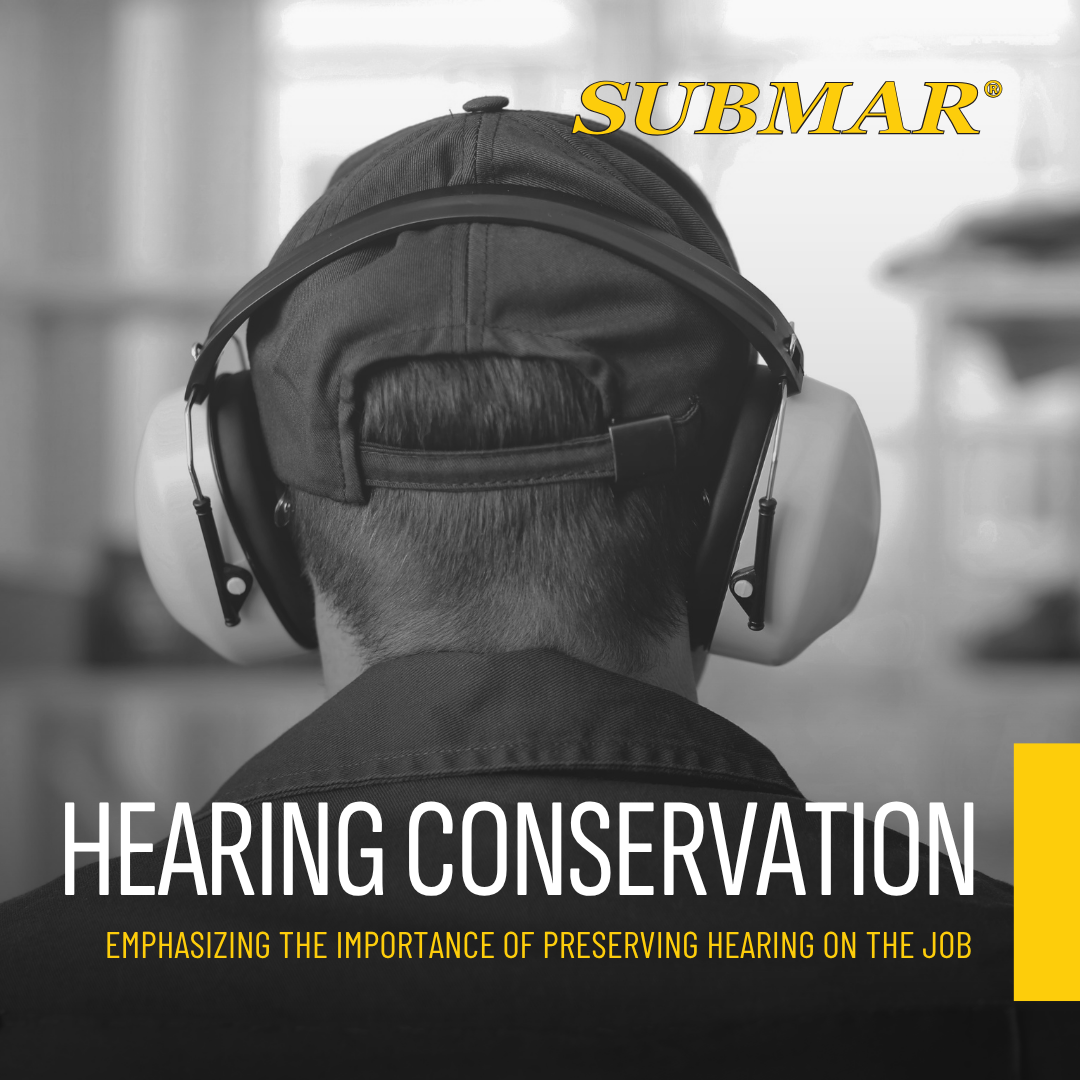
Noise hazards may not always be visible, but their effects can last a lifetime. Consistent use of hearing protection helps safeguard health, safety, and quality of life.
Safety Topic: The Importance of Hearing Conservation
October 2026 – Safety Topic – The Importance of Hearing Conservation
The Importance of Hearing Conservation
The Importance of Hearing Conservation
Hearing conservation is the practice of protecting workers from excessive noise exposure that can cause permanent hearing loss. Because hearing damage often occurs gradually and without pain, many people do not realize their hearing is being affected until significant damage has already occurred.
Why Hearing Conservation Is ImportantHearing
- Prevents Permanent Hearing Loss
Exposure to high noise levels over time can damage the delicate structures of the inner ear. Once this damage occurs, hearing cannot be restored. Preventing exposure is the most effective way to preserve hearing.
- Protects Overall Health and Quality of Life
Good hearing is essential for communication, relationships, and daily activities. Hearing loss can lead to frustration, stress, social isolation, and reduced quality of life both at work and at home.
- Improves Workplace Safety
Employees who can hear clearly are better able to recognize alarms, warning signals, equipment sounds, and verbal instructions. Hearing conservation helps reduce the risk of accidents and injuries caused by missed communications or warning signs.
- Supports Productivity
Workers with healthy hearing can communicate more effectively, understand instructions, and collaborate with coworkers. This reduces errors, misunderstandings, and operational disruptions.
- Reduces the Risk of Tinnitus
Excessive noise exposure can cause tinnitus, a persistent ringing, buzzing, or humming sound in the ears. Tinnitus can interfere with concentration, sleep, and overall well-being.
Key Elements of Hearing Conservation
- Monitoring workplace noise levels.
- Using engineering and administrative controls to reduce noise exposure.
- Wearing appropriate hearing protection devices such as earplugs or earmuffs.
- Participating in hearing tests and training programs.
- Reporting damaged hearing protection equipment and excessive noise conditions.
Employee Responsibility
Every employee has a role in hearing conservation by:
- Wearing hearing protection in designated areas.
- Using hearing protection correctly and consistently.
- Attending required hearing conservation training.
- Reporting hearing concerns or workplace noise hazards to supervisors.
Conclusion
Hearing conservation is essential because hearing loss is permanent but preventable. By controlling noise exposure, using proper hearing protection, and following workplace safety procedures, employees can protect their hearing, improve safety, and maintain a higher quality of life for years to come.
Remember: Protect your hearing today so you can hear tomorrow.
Read Some More!

Submar’s concrete revetment mats protect pipeline slopes by promoting natural vegetation, reducing erosion, and supporting biodiversity, creating stable slopes and restoring riparian habitats along pipelines.

Defensive driving: anticipate, adapt, and arrive safely.

Discover a career-defining opportunity with Submar, a leader in engineered solutions for erosion control and pipeline protection. This role offers the chance to lead innovative projects, drive impactful results, and shape the future of engineering solutions.