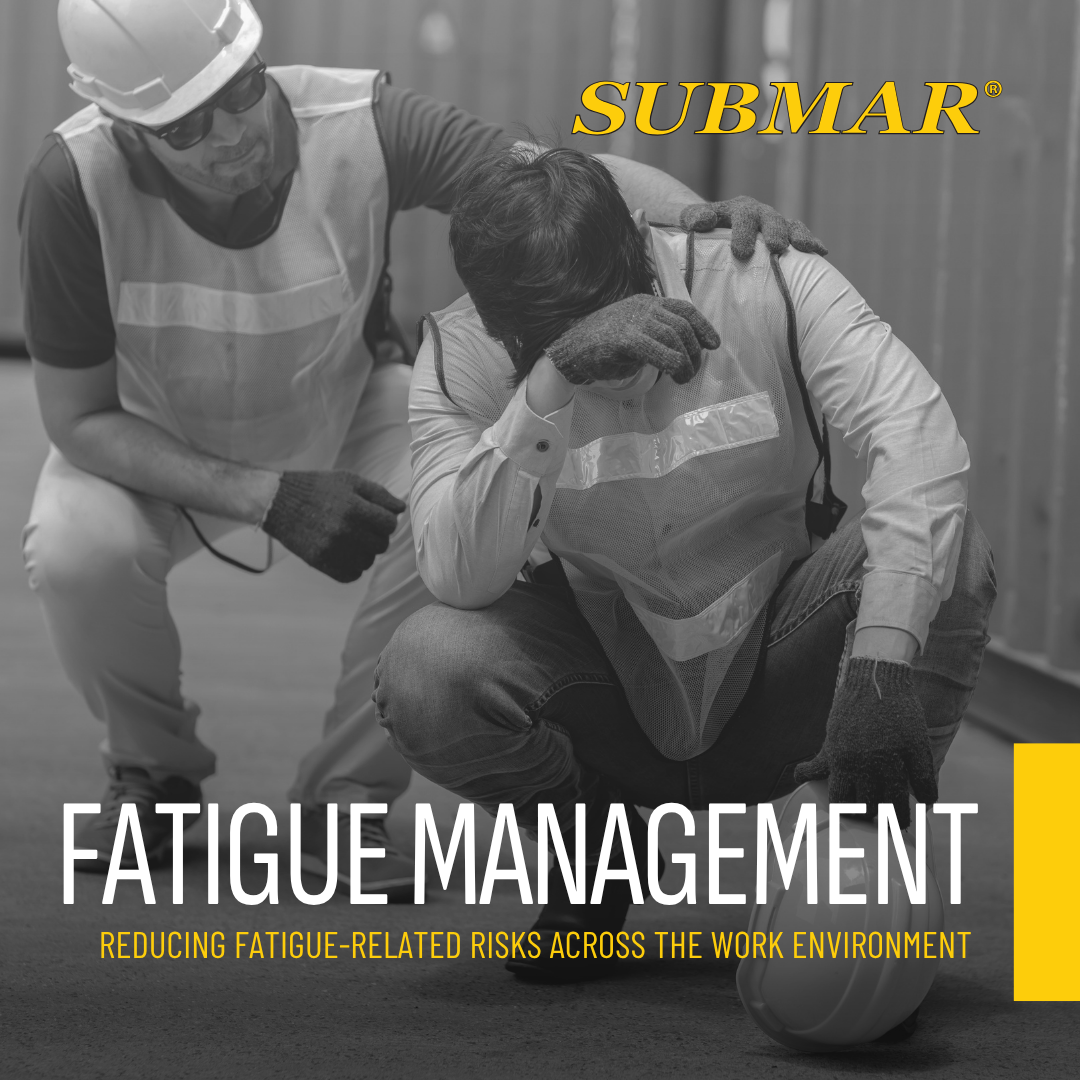
Fatigue isn't just about feeling tired. Staying alert, well-rested, and fit for duty helps prevent incidents and keeps everyone safe on the job. Safety starts with a good night's sleep.
Recent News
Safety Topic - Fatigue Management
November 2026 – Safety Topic – Fatigue Management
Fatigue Management: A Critical Component of Workplace Safety
Fatigue is one of the most common yet often overlooked workplace hazards. Unlike many safety risks that are visible and easily identified, fatigue develops gradually and can affect anyone regardless of experience, skill level, or job position. When workers are fatigued, their ability to think clearly, react quickly, and make sound decisions is significantly reduced, increasing the likelihood of incidents, injuries, and property damage.
Fatigue is more than simply feeling tired. It is a state of physical or mental exhaustion that impairs alertness, concentration, coordination, and performance. In safety-sensitive environments such as construction sites, industrial facilities, transportation operations, and field service work, fatigue can have serious consequences.
Understanding the Causes of Fatigue
Several factors can contribute to workplace fatigue. The most common cause is insufficient sleep, whether due to long work hours, irregular schedules, family responsibilities, or lifestyle choices. Employees working extended shifts, rotating schedules, night shifts, or consecutive days without adequate rest are particularly susceptible.
Other contributing factors include:
- Physically demanding work
- Mental stress and emotional strain
- Poor nutrition
- Dehydration
- Certain medications
- Medical conditions that affect sleep quality
- Environmental factors such as extreme heat or cold
While fatigue may begin outside the workplace, its effects are often felt on the job, making it a shared concern for both employees and employers.
Recognizing the Warning Signs
Early recognition of fatigue is essential to preventing incidents. Common signs include:
- Frequent yawning
- Difficulty concentrating
- Forgetfulness
- Slower reaction times
- Irritability or mood changes
- Heavy eyelids
- Lack of motivation
- Increased errors or poor judgment
- Drifting attention while driving or operating equipment
Workers may not always recognize these symptoms in themselves, so it is important to watch for signs of fatigue in coworkers and encourage open communication about fitness for duty.
The Safety Risks of Fatigue
Fatigue affects the body and mind in ways that can significantly increase workplace risk. A fatigued worker may miss warning signs, overlook hazards, skip critical steps in a procedure, or make poor decisions under pressure.
Some of the potential consequences include:
- Vehicle accidents
- Equipment-related incidents
- Slips, trips, and falls
- Strains and sprains
- Property damage
- Reduced productivity
- Near misses
- Serious injuries or fatalities
Even routine tasks can become hazardous when performed by someone who is overly tired or distracted by fatigue.
Managing Fatigue Effectively
Fatigue management requires a combination of personal responsibility and workplace awareness.
Before Work
Employees should strive to obtain adequate sleep, typically seven to nine hours per night for most adults. Establishing a consistent sleep schedule, limiting alcohol and caffeine before bedtime, and creating a comfortable sleep environment can improve sleep quality and overall alertness.
During Work
Workers can reduce the effects of fatigue by:
- Staying hydrated throughout the day
- Eating nutritious meals and snacks
- Taking scheduled breaks
- Performing stretching or light movement during breaks
- Reporting excessive fatigue to a supervisor
- Avoiding reliance on caffeine as a replacement for proper rest
Driving and Equipment Operation
Extra caution should be exercised when driving company vehicles or operating heavy equipment. If signs of drowsiness occur, work should be stopped immediately and appropriate rest taken. No deadline or production goal is more important than arriving home safely.
Shared Responsibility for Safety
Fatigue management is everyone’s responsibility. Employees must arrive fit for duty and be honest about their condition if fatigue becomes a concern. Supervisors should encourage reporting, monitor workloads, and promote a culture where speaking up about fatigue is viewed as a safety measure rather than a weakness.
By working together, organizations can reduce fatigue-related risks and create a safer, healthier work environment for everyone.
Conclusion
Fatigue is a serious workplace hazard that can impair judgment, slow reaction times, and increase the likelihood of accidents and injuries. Understanding the causes, recognizing the warning signs, and taking proactive steps to manage fatigue are essential components of workplace safety. Through proper rest, healthy habits, open communication, and a strong commitment to safety, employees can remain alert, productive, and better protected from harm.
Remember: Being fit for duty includes being well-rested. A few extra hours of quality sleep can make the difference between a safe day and a preventable incident.
Read Some More!
Dig Deeper for Safety: Every incident has a root cause—find it, fix it, prevent it.
One spark can change everything. Preventing wildfires begins with vigilance, proper equipment maintenance, and a commitment to workplace safety.

Submar's safety topic of the month is Maintaining A Positive Safety Culture.