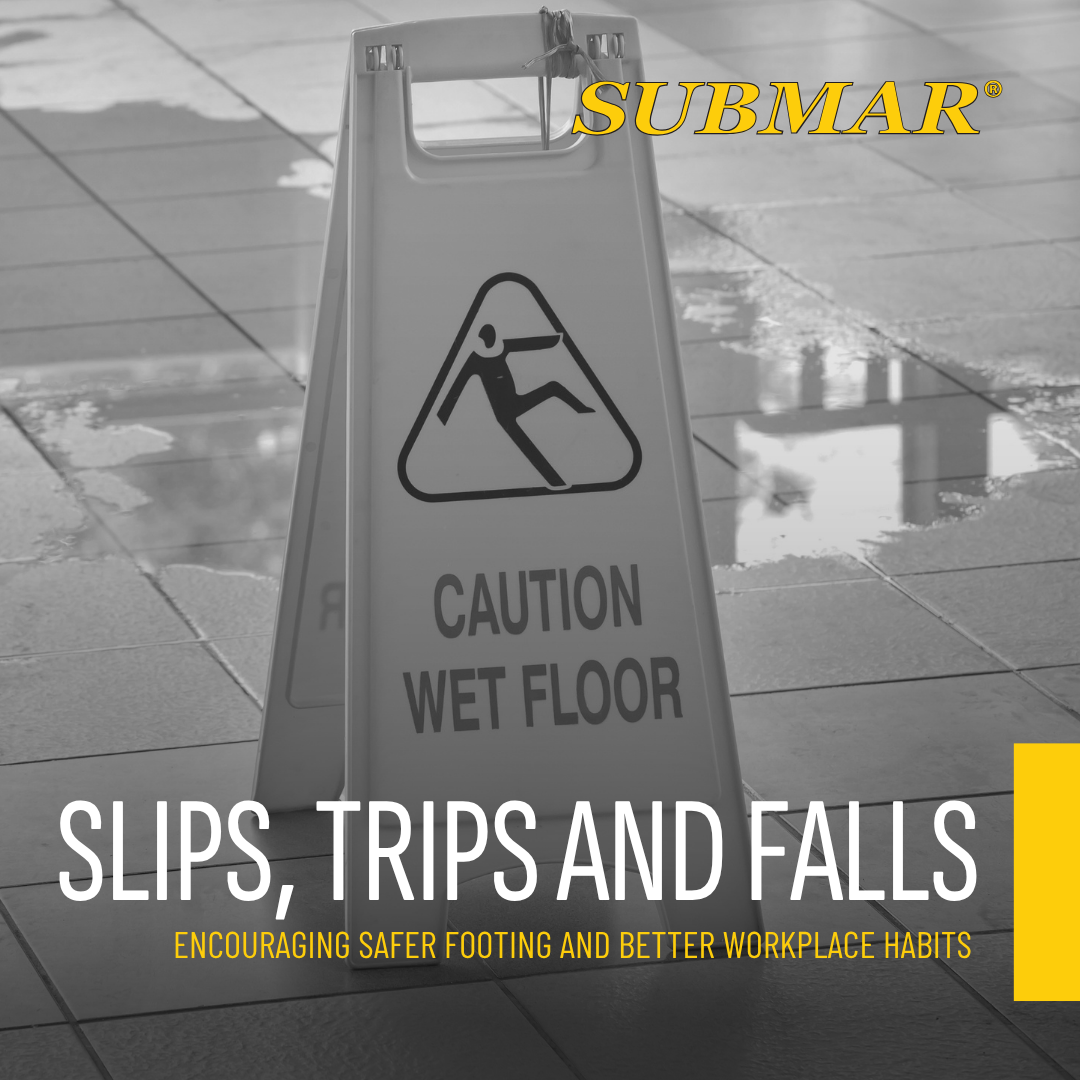
Most slips, trips, and falls are preventable—good housekeeping, proper footwear, and staying alert make all the difference.
Safety Topic: Slips, Trips, and Falls Prevention
July 2026 – Safety Topic – Slips, Trips, and Falls Prevention
Slips, Trips, and Falls Prevention
Slips, trips, and falls are among the most common workplace incidents and can result in serious injuries, lost work time, and damaged equipment. Everyone is responsible for identifying hazards and taking preventive measures to maintain a safe work environment.
Common Causes
- Wet or slippery floors
- Uneven walking surfaces
- Loose mats, rugs, or floor coverings
- Cluttered walkways and work areas
- Poor housekeeping practices
- Inadequate lighting
- Cords, hoses, and tools left in walkways
- Improper footwear
Prevention Guidelines
Housekeeping
- Keep work areas clean and free of clutter.
- Remove debris, tools, and materials from walkways immediately after use.
- Clean spills promptly and place warning signs in affected areas until surfaces are dry.
Walking and Working Surfaces
- Inspect walking surfaces regularly for hazards.
- Report damaged flooring, uneven surfaces, or loose handrails to supervision immediately.
- Ensure mats and rugs are secured and lie flat.
Footwear
- Wear sturdy, slip-resistant footwear appropriate for the work environment.
- Replace worn or damaged shoes that may reduce traction.
Safe Walking Practices
- Walk—do not run.
- Use designated walkways whenever possible.
- Maintain three points of contact when using stairs.
- Avoid carrying loads that obstruct your view.
- Stay alert and avoid distractions while walking.
Cords and Hoses
- Route cords and hoses away from walkways whenever possible.
- Use cable covers or secure cords to prevent tripping hazards.
Lighting
- Ensure work areas, stairways, and walkways are adequately illuminated.
- Report burned-out lights or poorly lit areas promptly.
Employee Responsibilities
- Inspect your work area for hazards at the beginning of each shift.
- Correct hazards when safe to do so.
- Report unsafe conditions to your supervisor immediately.
- Follow all safety procedures and wear required personal protective equipment (PPE).
Remember
Most slips, trips, and falls are preventable. Taking a few extra moments to identify and eliminate hazards can prevent injuries and help maintain a safe workplace for everyone.
Safety Starts With You — See It, Fix It, Report It.
Read Some More!
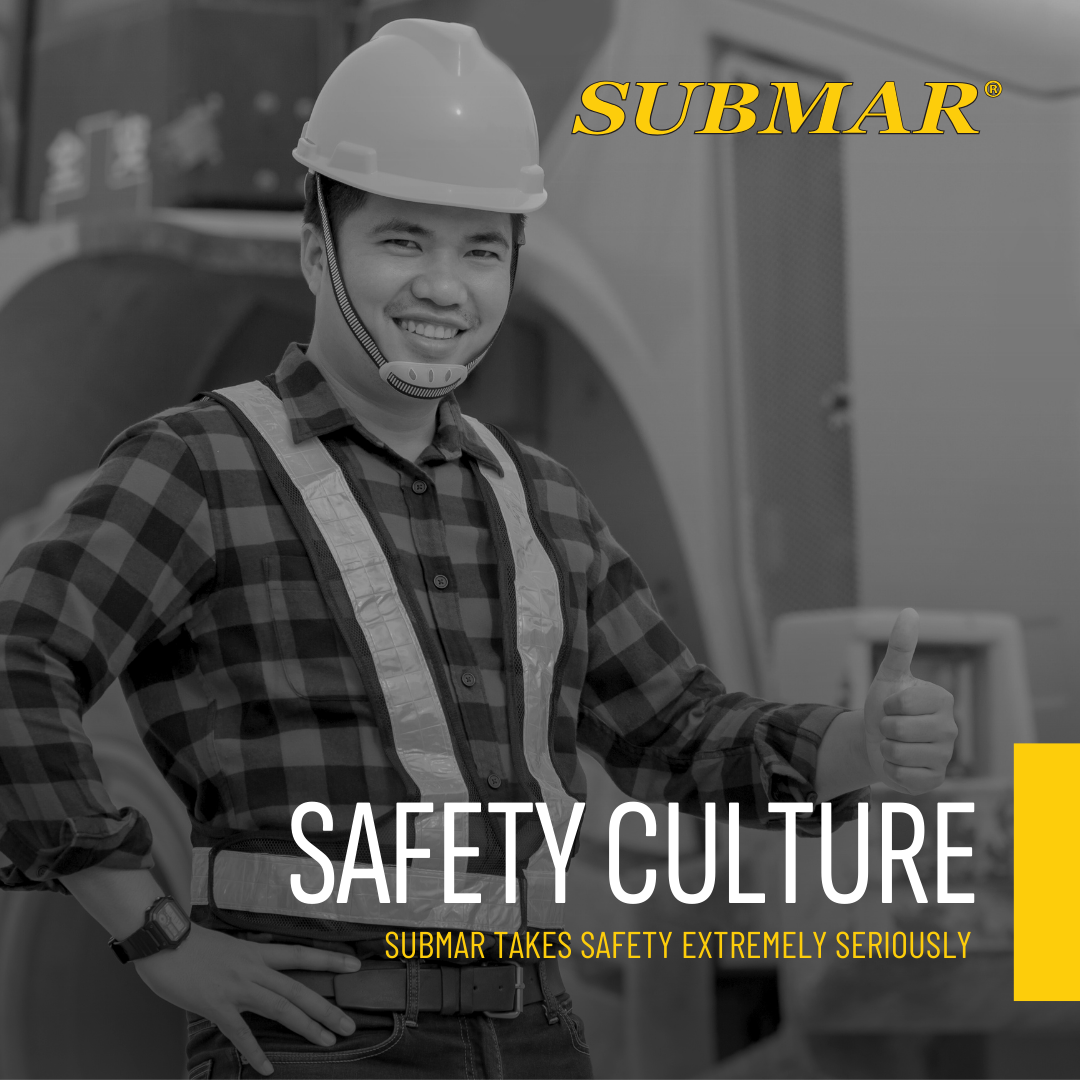
The SWA process involves a stop, notify, correct and resume approach for the resolution of a perceived unsafe work action(s) or condition(s). Much like behavior-based safety processes, a workforce that clearly understands how to initiate, receive and respond to a “stop work” intervention is more likely to participate.
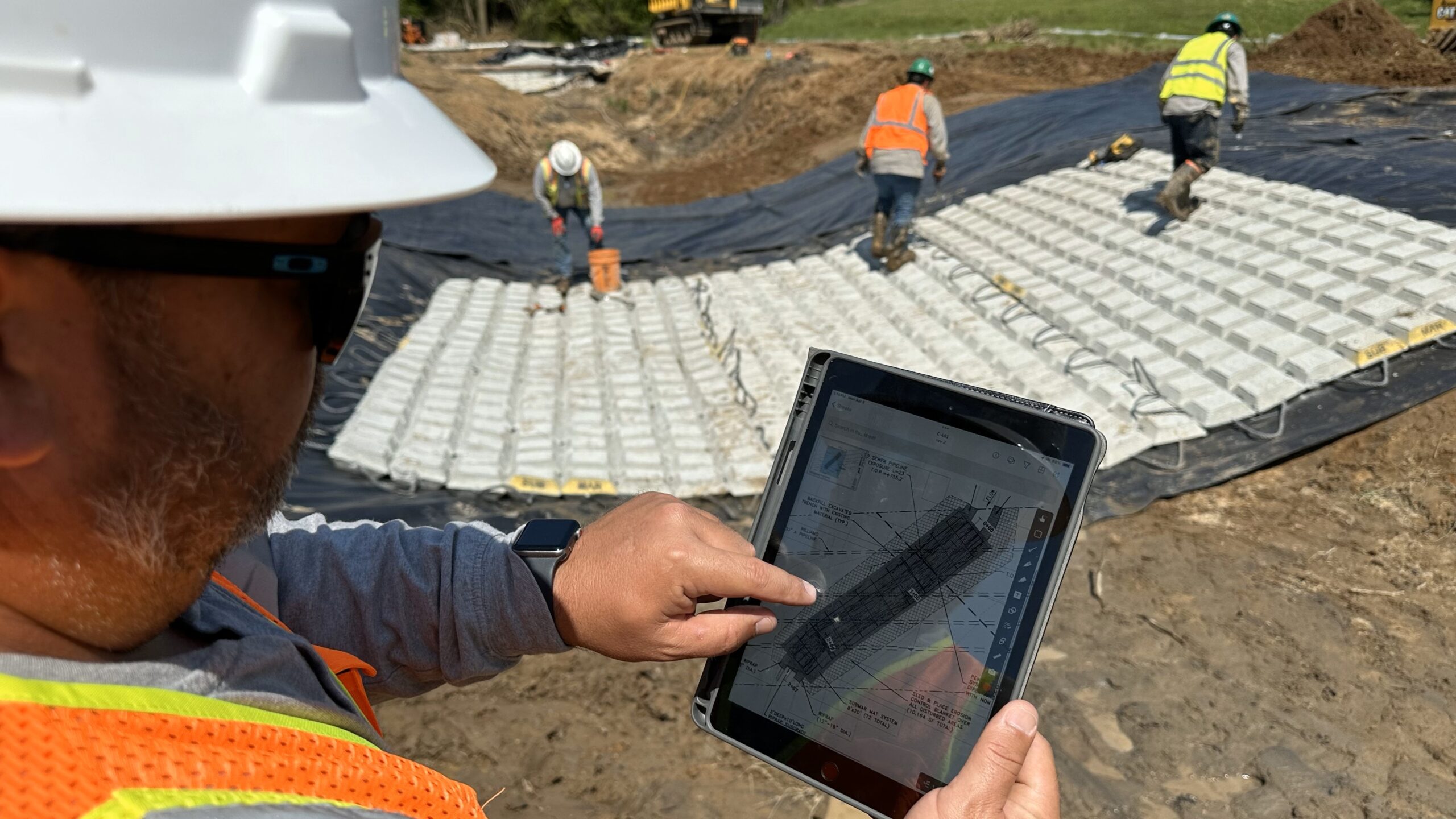
Discover a career-defining opportunity with Submar, a leader in engineered solutions for erosion control and pipeline protection. This role offers the chance to lead innovative projects, drive impactful results, and shape the future of engineering solutions.